A Father’s Story: Turning a Health Battle into Hope for His Children
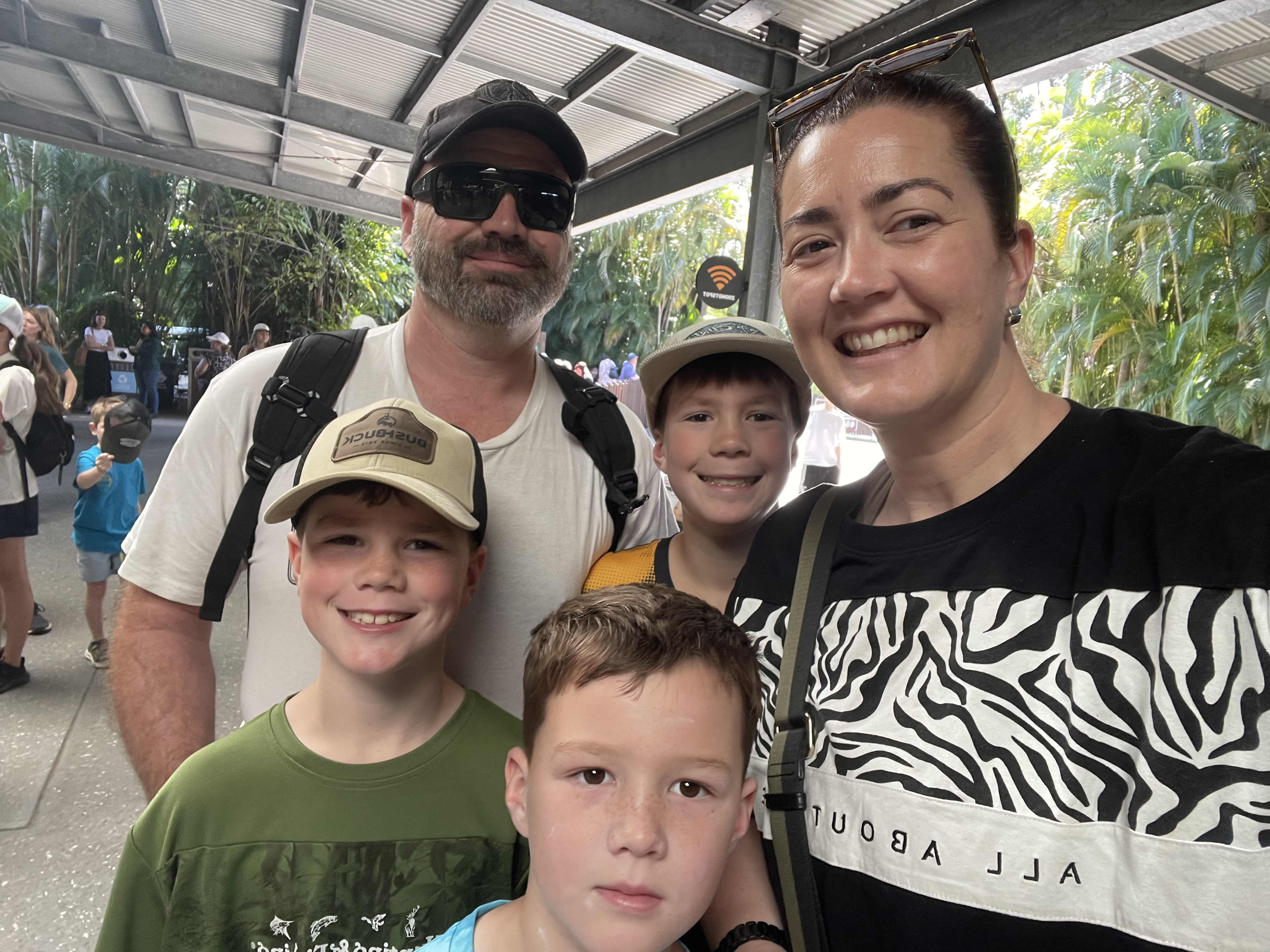
After facing a life-threatening diagnosis of aplastic anaemia at just 17 years old, one CordBank dad knows firsthand how important access to stem cell treatments can be.
When doctors struggled to find a suitable donor match, Gordon’s own experience shaped his decision to bank his children’s stem cells when starting a family. In this interview, he shares how his journey with illness led him to make the decision to bank the cord blood of all three of their sons, Harvey, Duncan and Gus, and why having that potential backup in place gives their family peace of mind.
How did your personal journey with illness impact your life?
I went from being the average Kiwi kid that was playing rugby, playing hockey, fishing, hunting, tramping – everything outside – to a kid that couldn’t stay awake in class and was falling asleep in class 3 or 4 times a day.
Back when I was 17, I was feeling ill and was struggling to stay awake in class, continually getting the flu, so I went to the doctor, and they told me that I had leukemia.
The blood results showed that I needed to be taken to Waikato hospital from Taumarunui. At Waikato hospital they ran more tests, and that diagnosis was changed from leukaemia to aplastic anaemia. At that point I think there were only one or two other people in the country with that diagnosis.
From there I spent six weeks in isolation and eight weeks in Waikato hospital with blood transfusions, platelet replacements, and getting treatment for that. Thankfully, I avoided having to have bone marrow transplants.
But three years after that, at 20 years old I had a relapse – and the treatment worked again, but they weren’t sure it was going to. So, the alternative option was a full bone marrow transplant if they could find a donor.
It was exceptionally hard to find, my family members didn’t match, my brother didn’t match. The nearest match was someone in Australia.
It just happened that that round of treatment worked again, which they weren’t sure was going to and they’re unsure if it will ever work again.
How did the conversation around banking cord blood stem cells arise?
At the time, there was discussion about stem cell treatment for me if they could find a match, but they couldn’t.
Later on, no one could tell me how I got Aplastic Anaemia. The doctors said it wasn’t hereditary, it’s not genetic – but they couldn’t tell me how I got it or why I got it, and they still don’t know.
We started to look at having a family, and it was a no brainer for us – whether we had the money or didn’t have the money – we were going to find a way for our first son Harvey to have his cord blood stored.
Then subsequently we stored cord blood again for Duncan and Gus as well.
What benefits did you see in saving cord blood stem cells for Harvey, Duncan and Gus?
Because we don’t know how I got Aplastic Anaemia, what the cause was, it gave me the peace of mind that if something like that pops up for my children, that’s there as a backup. They’re not relying on trying to find a random person somewhere in the world that matches.
The doctors were looking for stem cell transplants if they could find that for me at the time, so the opportunity to have that backed up for my children – it’s really a no brainer.
What would you say to families who are considering cord blood banking?
The process was easy, it was seamless. I’d say it makes no difference to you other than you paying an amount to have it stored, it just means that we’ve got a backup sitting there if something does happen – whether it’s leukemia, a blood cancer or something along those lines, it’s just peace of mind.
Whether they need it or not, it’s not a big cost going forward per year to have that backstop.
If parents know about it and they’ve got the opportunity to do it, the peace of mind and the backup it can have for your children is one of those things that I think more people should be doing.