The National Marrow Donor Program in the United States projects that 10,000 cord blood stem cell transplants will be performed annually by 2015, up from 2,000 in 2006… an increase of a staggering 500% according to Dr Robert Dracker, Executive Medical Director, Americord Registry.
The leading haematologist, transfusion medicine specialist and recognised leader in cord blood banking Dr Dracker said, “Stem cells are being used in life-saving therapies such as leukemia, lymphoma and other blood disorders. The number of diseases that can be treated by stem cells continues to grow as researchers discover new treatments, many of which are in clinical trials or considered experimental. As the list of diseases grows, more parents are electing to store the cord blood of their newborns in anticipation that their child, the child’s siblings or other relatives may one day benefit from it.”
“There has been a dramatic increase in the use of autologous (your own) cord blood for therapy. This rapid rise can be partially attributed to an increase in the number of patients with some form of brain injury – the most common being Cerebral Palsy (CP) and Hypoxic-Ischemic Encephalopathy (HIE). According to the International Society for Cellular Therapy, the statistics show that the cumulative probability of a child receiving an allogeneic (someone else’s) stem cell transplant by age 10 is low, only 1 in 5000. Autologous therapy treatments are actually more likely.”
“The benefits of private banking of cord blood and newborn stem cells for future medical treatments are impressive. Private banking provides a better chance of patient matching, with a 100% match for the ‘banked’ child and a 25-50% probability of a match with the patient’s siblings, depending upon disease and acceptable match criteria determined by a doctor. In addition, there is a lower chance of graft-versus-host disease — a potentially life-threatening condition.
“New techniques for cord blood harvesting have emerged, designed to provide more treatment options to a greater variety of patients. In June this year, Johns Hopkins graduate students announced the invention of a system that significantly boosts the number of stem cells collected from a newborn’s umbilical cord and placenta, which could allow more patients with leukemia, lymphoma and other blood disorders to be treated with these cells. Without adequate collection methods, 90% of these cells are discarded.
“As the rapid rise of autologous therapy continues, especially for CP and acute traumatic brain injury, the necessity for private banking will increase. The medical science and technology have kept pace with this trend and will continue to do so. Physicians remain enthusiastic about the potential use of placenta stem cells in the emerging fields of gene therapy and cellular repair.”
Dr. Robert Dracker, Executive Medical Director, Americord Registry, is a leading hematologist, transfusion medicine specialist and recognized leader in cord blood and stem cell banking. Dr. Dracker was recently named as a consultant to the Food and Drug Administration’s (FDA) Pediatric Advisory Committee.
For the full story read here
A significant clinical trial due to start later this year across Europe, will aim to slow, stop or even reverse the damage Multiple Sclerosis (MS) causes to the brain and spinal cord.
Researchers will collect stem cells from the bone marrow of patients, grow them in the laboratory and then re-inject them into their blood. The stem cells will make their way to the brain where it is hoped that they will repair the damage caused by MS.
Widely regarded as an autoimmune disease, MS reduces a person’s central nervous system’s ability to function correctly resulting in an assortment of symptoms including difficulty moving, damaged vision and a loss of mobility. It affects around 4000 people in New Zealand.
Each nerve in the body is covered with a protective covering called myelin which becomes damaged as the disease progresses. As the nerves become exposed the symptoms worsen as the messages sent from the brain to the body become increasingly disrupted.
Initial testing in the laboratory suggests that bone marrow stem cells not only repair the myelin, but can repair some of the damage done and protect it against further attack from the immune system.
The trial is being partially funded by the UK’s MS Society as a way to create a standard, proven therapy as many patients over the years have been lured overseas at massive expense to partake in treatments that have no foundation in science.
Dr Doug Brown of the MS Society said, “These experiments have confirmed that these stem cells hold that potential, but these need to be confirmed in large scale clinical trials.”
A treatment for patients is some way off yet. The phase two clinical trial which will involve 150 patients will commence during 2011 and will take five years to complete and assess. Even then a phase three trial may be required.
Sir Richard Sykes, chair of the UK Stem Cell Foundation, said the research was the first of its kind to take place in the UK.
“Given the high incidence of MS in the UK in comparison to other countries, I am delighted that we have at last progressed stem cell research to this stage, which will bring much-needed hope to so many people affected by this devastating condition.”
For the full story read here
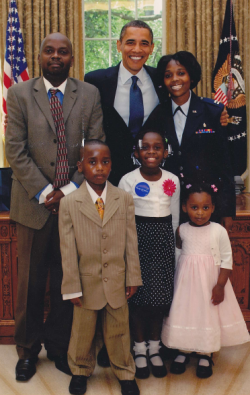
A little girl suffering from sickle cell anaemia is now well and back at school following an umbilical cord blood stem cell transfusion from her brother.
Since birth, American girl Carol Mulumba, now 10, had been shuttled to and from emergency rooms and specialists, fighting Sickle cell anaemia – an inherited abnormality of the blood that can lead to blindness and organ failure.
Hunting for a transplant match for their daughter, the Mulumbas scoured public cord blood banks around the country, but without luck.
When Lukiah Mulumba became pregnant, the Cord Blood Registry offered to store her baby’s cord blood for free as part of a programme it offers to some 3,500 close relatives of patients with diseases treatable by cord blood.
As Carol grew older her pain worsened, but pain relief including morphine stopped working. Her growth was stunted, her eyes became yellow and jaundiced, and ultrasounds of her brain showed a stroke was imminent. As Carol’s brother was a match, doctors gave Carol a transfusion of his umbilical cord blood stem cells. In addition, the doctors used chemotherapy to force Carol’s bones to stop producing cells so the new blood could catch on. After a month, Carol’s results showed 100% healthy blood cells.
She spent another 6 months in bed, time in which her eyes cleared and her pain went away, said her father. Although she had to wear a surgical mask at first, she was allowed to go back to school in 2010.
“It took time,” said Carol, who said the hardest part of the process was being quarantined from most visitors. “I’m not short anymore,” she added.
For the full story read here
A study is being conducted by China’s Qingdao University to investigate the efficacy of cord blood to treat liver cirrhosis.
Cirrhosis of the liver is now the third highest cause of death in the Western world. The devastating disease is caused by factors including alcohol abuse and hepatitis resulting in scarring and poor liver function. Patients often require a liver transplant, but these are expensive and rarely available – only 35 are conducted in New Zealand every year.
For the study, cord blood was infused into 50 patients through the hepatic artery – the major artery that supplies blood to the liver. Patients’ liver function will be tested at four weekly intervals to test for improvement against the control group which will receive the more traditional antiviral drugs, lowering aminotransferase (liver enzyme) and jaundice medicine.
The study will conclude at the end of 2012.
For the full story read here
A new stem cell treatment costing around AU$2,500 is now available for pets. The treatment involves new cells being placed into damaged tissue to treat disease or injury.
Injured and arthritic dogs are undergoing stem cell treatment for the first time at two separate vet clinics in Mundaring and Champion Lakes in Western Australia.
The procedure involves harvesting stem cells from the animal’s fatty tissue and activating them utilising LED light technology, to heal degenerative joint conditions.
The stem cell therapy, which takes place in a day, means that pets suffering common ailments including hip dysplasia and osteoarthritis no longer need suffer chronic pain.
Their mobility is improved and so is their quality of life. The treatment is drug-free, so there are apparently no side-effects.
Veterinarian Colin Sherry, from the Champion Lake Vet Centre, said the procedure had been conducted successfully on hundreds of animals across the world and that he would be offering the procedure to clients within weeks.
The treatment developed by Australian company Medivet, has already been taken to Canada, Europe and the United States and recently launched in the UK.
For the full story read here
Australian researchers have just found a way to use stem cells to reduce injury and scarring in the lung and even generate new lung cells.
Lead researcher, associated professor Yuben Moodley from the University of Western Australia, said the investigation could provide hope for patients suffering from lung damage.
In Australia, one in four are affected by serious lung conditions. Globally, lung diseases cause many deaths and disabilities, with most lung conditions responding poorly to traditional medicines. “Cellular therapies, although in the early stages of development, may form a vital part of future life-saving treatments.” Moodley said.
Three more Kiwi children are set to benefit from a cord blood lung study currently underway in Melbourne.
Led by Professor Bob Williamson at the University of Melbourne’s Faculty of Medicine, the study is using umbilical cord blood to treat Cystic Fibrosis an inherited disease in which a thick mucus clogs the lungs, making it very hard to breathe and digest food.
To help support this ground breaking study, CordBank has agreed to collect, process and store cord blood from families, who already have one child with CF, for free.
The latest families to benefit from this support are the Legge family from Queenstown, the Conlands from Wellington and the Hasselmans from Napier.
Bob Williamson, Professor of Medical Genetics at the University of Melbourne, has a research group trying to take cord blood stem cells and push them down the path towards lung cells. “So far, we have been able to get cells from cord blood to make some lung proteins, such as surfactant, but the CF protein still seems to be present only at low levels. We have, however, been able to correct gene defects in cord blood stem cells, and groups are trying to put a healthy copy of the CF gene into stem cells and get it to function normally.”
Professor Williamson also noted that other groups, including one in Perth, Australia, have used similar cells from the placenta to repair lung injury. “While this research is aimed at helping premature infants, rather than those with CF, it is valuable to know that stem cell science is advancing quickly towards effective treatments of many diseases.”
Professor Williamson noted that this cord blood could be very valuable in future, if a way can be found to get the stem cells to express the CF gene. “This is a real challenge”, he said, “but there is now a great deal of stem cell science throughout the world aimed at getting this result, and progress is occurring rapidly.”
Eminent neuroscientist Dr Wise Young delivered hope to practitioners and patients alike during his visit to New Zealand recently to raise awareness regarding his clinical trials treating spinal cord injury.
Young is the founding director of the W M Keck Center for Collaborative Neuroscience and a professor at Rutgers, the State University of New Jersey. In the US, Dr Young is also well known as the doctor who worked with the late actor Christopher Reeve (Superman) who became quadriplegic in 1995.
Since 2007, Dr Young has been leading a 25 centre trial in China, Hong Kong, and Taiwan using umbilical cord blood and lithium to regenerate the spinal cord.
Young says his research will bring hope to sufferers of spinal cord injuries whom to date, medicine has not been able to treat in any meaningful way. “It’s achievable not just within our lifetime, but within a few years,” said Young. “I believe we can fix a person enough so that someone who doesn’t know them wouldn’t know that that person has a spinal cord injury. To me that’s a cure!”
This fascinating work has the potential to give tens of thousands of people worldwide a full life, and is just one of the leaps forward science is making in the field of umbilical cord stem cell research.
Four year old Maia Friedlander became a New Zealand medical pioneer when she became one of the first Kiwi children to have her cord blood re-infused for her brain injury.
Maia was less than a year old when parents Jillian and Daniel realised she was developing differently to her twin sister Arielle. She’d been deprived of oxygen at birth and diagnosed with a cerebral palsy-like condition which affected both her speech and movement. She had trouble with balance and was severely restricted in her learning and development. It was hard for her to concentrate and she had very little speech.
Maia’s parents battled hard to help her in any way they could. In 2008, they became aware of a programme at Duke University in the USA, treating children for brain injury with their own cord blood. Because Maia’s cord blood was banked at birth she was able to get this treatment.
In August 2008, Maia was reinfused with her own cord blood at Duke by Dr. Kurtzberg, a leading paediatric oncologist.

Maia with mum, Jillian in the park
The improvements came thick and fast and Maia, now seven and a year 2 student at school in Auckland, is still developing in leaps and bounds.
Maia’s speech therapist, Ann McElwee, has seen dramatic improvements in Maia. Her class teacher, Louise Canning, who worked with Maia last year also says the changes have been remarkable.
“When Maia first started with us she wasn’t able to work independently and needed constant one-on-one supervision to perform any tasks. Her progress has been absolutely phenomenal. She can now count, read, write and work on her own.”
Two years after her cord blood treatment, life for the Friedlanders is completely different.
“We have a real, active family which we are so thankful for.” “The two sisters interact and Arielle now has a proper playmate. They fight like most siblings which is actually wonderful to see!” says Jillian.
Jillian and Daniel are adamant Maia would not be making this progress without the cord blood re-infusion. “To every person who is pregnant I say bank their baby’s cord blood as you never know when you might need it.”