Beyond the NICU: Five-Year Cord Blood Study Uncovers Promising Developmental Outcomes
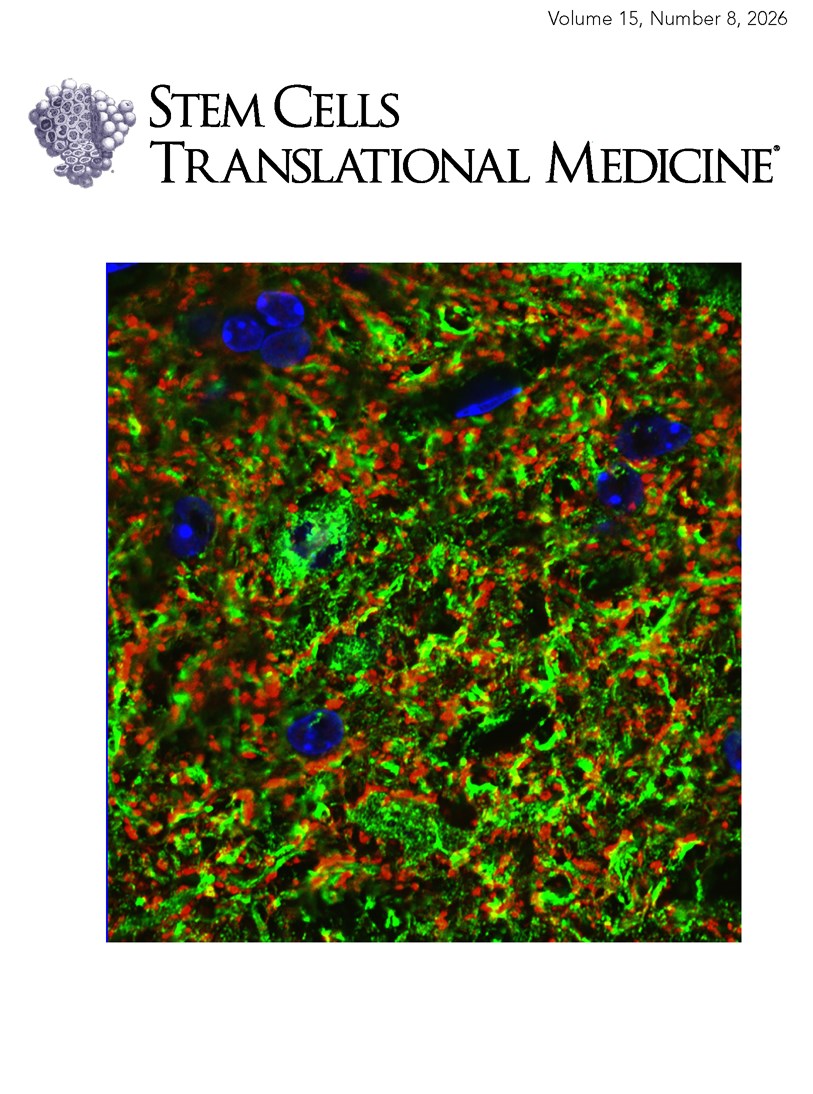
A new five-year follow-up study, published in Stem Cells Translational Medicine in July 2026, has found significantly improved fine motor skills and personal-social development in children who received their own cord blood following premature birth. The findings build on earlier research involving the same group of infants, which reported encouraging outcomes at two years of age.
The findings were encouraging, with researchers identifying improvements in two areas of neurodevelopment among children who received the cord blood cell infusion.
Improved fine motor skills
Children who received their own cord blood cells demonstrated significantly better fine motor scores compared with the control group.
Fine motor skills involve the coordination of smaller muscles, particularly in the hands and fingers. These skills are important for activities such as holding objects, drawing, writing and other everyday tasks.
Improved personal-social development
The treatment group also demonstrated significantly better scores in personal-social development
This area of development includes skills associated with interacting with others, independence and everyday social activities.
Overall, the findings suggest that the potential benefits observed following cord blood cell treatment may extend beyond the initial newborn period.
One of the most important aspects of this study is that it followed children for five years after treatment.
Long-term follow-up is particularly valuable in stem cell research because it allows scientists to investigate not only immediate treatment outcomes, but also potential effects on growth, development and overall health as children get older.
The findings build on earlier research involving the same group of infants, which had reported encouraging outcomes at two years of age – which we covered in this 2023 blog post.
See the full study here.